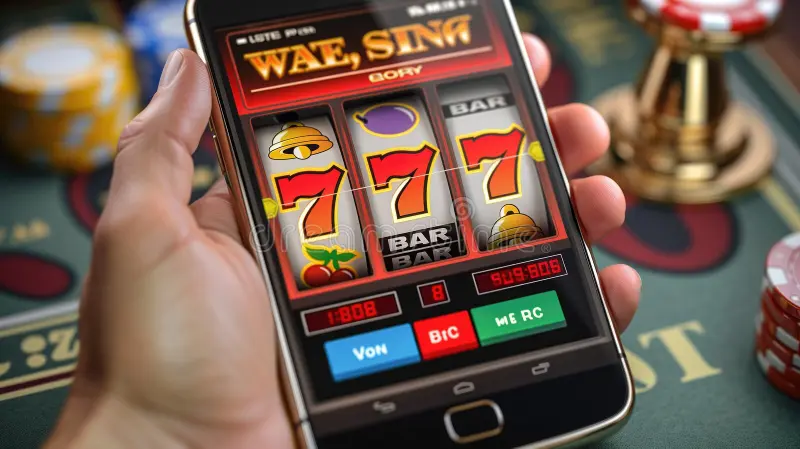
Slot Machine Experiences Designed for Mobile Users
The digital gambling sector has undergone a massive paradigm shift, driven by the ubiquity of smartphones and tablets. In the early days of online gaming, software developers built slot machines primarily for desktop computers. These legacy games featured wide horizontal layouts, complex user interfaces tailored for mouse clicks, and asset-heavy graphic files that required robust hardware and fixed broadband connections.
Today, the vast majority of online wagering traffic originates from mobile devices. This structural shift has forced slot developers to abandon desktop-centric thinking and adopt a strict mobile-first design philosophy. Designing a slot machine for a mobile user requires an intricate blend of software engineering, ergonomic optimization, data efficiency, and behavioral psychology. The goal is to deliver a premium, high-fidelity gaming experience within the physical boundaries of a compact handheld screen and the practical constraints of cellular networks.
The Architecture of Mobile-First Development
Transitioning slot games to mobile platforms required a complete overhaul of underlying game architecture. Developers previously relied on frameworks that were poorly optimized for mobile operating systems, leading to high battery consumption, device overheating, and frequent software crashes.
Modern mobile slot development relies on HTML5 and advanced WebGL rendering engines. This technological combination ensures that games are universally compatible across different operating systems, including iOS and Android, without requiring users to download dedicated native applications.
HTML5 architecture allows for responsive design, meaning the game assets dynamically scale, realign, and reformat themselves based on the exact resolution and aspect ratio of the user’s screen. Whether a consumer opens a slot on an older budget smartphone or a flagship tablet, the code ensures the reels, betting controls, and animations fit perfectly within the active viewport.
Designing for the Thumb Zone and One-Handed Ergonomics
One of the most critical elements of mobile slot engineering is ergonomics. Unlike desktop users who operate games with a mouse and keyboard, mobile users interact with software using their hands, often relying on a single thumb while holding the device with one hand.
Mobile slot design prioritizes what user experience designers call the thumb zone. This is the natural, comfortable sweeping area that a user’s thumb can reach without stretching or shifting their hand grip.
-
Spin Button Placement: In portrait mode, the primary spin button is typically scaled up and positioned in the lower-central or lower-right portion of the screen, placing it directly within the primary thumb zone.
-
Collapsible Menus: Secondary options, such as paytable descriptions, volume sliders, and betting configuration menus, are tucked away into compact, collapsible icons. This layout keeps the main interface clean and prevents accidental touches during gameplay.
-
Dynamic Orientation Switching: Modern slots allow users to rotate their devices seamlessly. In landscape mode, the interface realigns the betting controls to the outer left and right edges of the screen, mirroring the natural placement of both thumbs when a user holds a device horizontally.
By optimizing the physical layout for touch interaction, developers reduce user fatigue and minimize accidental bets, creating a frictionless interface that feels intuitive and natural.
Visual Adaptation and Micro-Screen Clarity
A major challenge in mobile slot development is maintaining visual clarity on smaller displays. A complex slot machine with six reels, four rows, and hundreds of potential paylines can easily become unreadable when shrunk down to a five-inch smartphone screen.
To combat visual crowding, developers implement strict asset optimization and visual scaling protocols.
First, the design language of modern slot symbols has evolved. Intricate, fine-lined illustrations have been replaced by bold geometric shapes, high-contrast color palettes, and distinct silhouettes. This ensures that even when symbols spin rapidly on a small screen, the player can easily identify winning combinations.
Second, text elements are scaled aggressively. Numerical values on win meters, balance counters, and bet configurations utilize clean, sans-serif typography that remains perfectly legible at low resolutions. Crucial messaging, such as bonus triggers or jackpot alerts, is delivered through centralized screen overlays that temporarily obscure the reels, ensuring the user never misses vital session information.
Session Mechanics for On-the-Go Consumption
Mobile users interact with digital entertainment in a fundamentally different manner than desktop users. While a desktop player might settle in for a dedicated, prolonged multi-hour session at a desk, a mobile user often opens an app during brief windows of downtime, such as while riding public transit, waiting in line, or relaxing during a work break.
To accommodate these micro-sessions, developers modify the pace and structural mechanics of the gameplay loop.
-
Fast-Play Modes: Mobile slots feature enhanced Turbo and Hyper-Spins options. These modes shorten the spinning animation of the reels, delivering instant mathematical outcomes within fractions of a second to satisfy users seeking rapid entertainment.
-
State-Saving Infrastructure: Network stability is a constant variable for mobile users moving between Wi-Fi networks and cellular towers. Mobile slots utilize advanced backend state-saving mechanisms. If a player loses internet connectivity mid-spin, the server completes the round securely in the background. When the user reconnects, the game automatically restores the exact state, displaying the outcome and updating the balance without losing player data.
-
Shortened Bonus Loops: Bonus rounds in mobile-centric slots are designed to be snappy and direct. Rather than forcing a player through prolonged multi-stage narratives, mobile bonuses deliver immediate high-impact features, ensuring the core excitement of the game can be fully experienced within a brief window of time.
Data Optimization and Battery Preservation
A beautifully designed slot machine is useless if it completely drains a user’s battery or exhausts their monthly cellular data plan within a few minutes of operation. Mobile slot engineering requires meticulous attention to resource management.
Developers use advanced asset delivery pipelines to compress audio and visual files without sacrificing perceived quality. Audio files are compressed into efficient formats like Ogg Vorbis or AAC, and stereo soundscapes are optimized to deliver rich ambient noise through standard mobile speakers or headphones.
Furthermore, graphical assets are packed into single texture sheets to minimize the number of server requests required during gameplay. Many next-generation slots also include a dedicated battery-saver mode within their options menu. When activated, this feature caps the game’s frame rate at thirty frames per second instead of sixty, disables non-essential background ambient animations, and reduces particle effects, allowing users to prolong their device’s battery life during extended travel.
Frequently Asked Questions
Do mobile slots offer the same payout percentages as desktop versions?
Yes, mobile slots offer identical return-to-player percentages and volatility metrics as their desktop counterparts. The mathematical model, random number generator source code, and regulatory certifications remain exactly the same across all platforms; only the visual interface and layout are adapted for mobile devices.
How do developers prevent accidental bet sizing increases on a touch screen?
Developers build safe touch targets and confirmation gates into the interface. Bet adjustment buttons are spaced far apart from the main spin trigger, and large step-ups in wager limits often require a two-step confirmation tap or an intentional slider movement, reducing the risk of accidental maximum wagering due to a misplaced finger.
Why do some older slot games perform poorly on modern mobile web browsers?
Older legacy slot titles were built using Adobe Flash or outdated desktop software frameworks. Because mobile operating systems completely dropped support for Flash due to security and efficiency flaws, these older games must run through complex emulation software, which causes high processing loads, lag, and poor visual scaling.
Can incoming phone calls or notifications disrupt a mobile slot spin?
No, incoming calls or system alerts will not cause a loss of funds or corrupt a game spin. When a phone call occurs, the mobile operating system immediately forces the browser or slot application into a suspended background state. The bet resolves securely on the operator’s remote server, and the outcome is displayed once the user returns to the game interface.
What is the advantage of a progressive web app over a standard mobile site for slots?
Progressive web apps allow a slot platform to behave like a native application without requiring an installation from an app store. They cache crucial graphical assets directly onto the user’s device, resulting in significantly faster loading speeds, reduced data consumption, and smoother transition animations during gameplay.
How do mobile slot developers handle the diversity of screen notches and camera cutouts?
Developers utilize safe area layout guides provided by modern mobile web standards. The game engine automatically detects the presence of hardware cutouts or status bars and adjusts the padding of the user interface, ensuring that vital betting buttons or balance displays are never obscured by a phone’s camera notch.